Best Weightlifting Belts for Home Gym (2026)

A quality weightlifting belt is the single most impactful accessory you can add to your home gym. It helps you brace harder, lift heavier, and protect your lower back during squats, deadlifts, and overhead presses. And with lever buckle technology, today’s belts are faster and more consistent than ever.

We researched and compared 20+ weightlifting belts β€” focusing on lever-style belts that offer the best combination of speed, support, and consistency for home gym lifters. Here are the 7 best weightlifting belts you can buy in 2026.

Disclosure: This article contains affiliate links. If you purchase through our links, we may earn a commission at no extra cost to you. We only recommend products we’ve researched and believe in.

Quick Comparison Table

Belt Rating Price
IBRO Powerlifting Lever Gym Belt 9.3/10 Check Price
RAD Weight Lifting Lever Belt 9.0/10 Check Price
Beast Power Gear 13mm Lever Belt 8.9/10 Check Price
DAAN MMA Weightlifting Lever Belt 8.5/10 Check Price
Akatsuki 10mm Premium Leather Lever Belt 8.7/10 Check Price
Lever Weightlifting Belt 8.4/10 Check Price
Leather Lever Belt for Powerlifting 8.6/10 Check Price

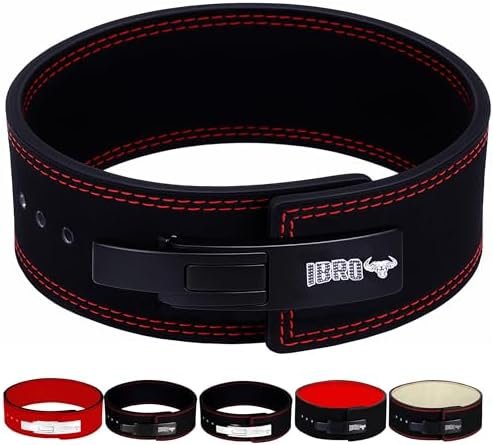
1. IBRO Powerlifting Lever Gym Belt

IBRO Powerlifting Lever Gym Belt

IBRO Powerlifting Lever Gym Belt
9.3/10
β˜…β˜…β˜…β˜…β˜…β˜…β˜…β˜…β˜…Β½

The IBRO Powerlifting Belt is our top pick for serious lifters. The quick-release lever buckle lets you tighten and loosen the belt in under a second β€” a game-changer between heavy sets. Available in three thicknesses (8mm, 10mm, 13mm), you can match the belt to your lifting style: 10mm for general training, 13mm for max-effort powerlifting.

βœ… Pros

  • Available in 8mm, 10mm, and 13mm thickness
  • Quick-release lever buckle system
  • Genuine heavy-duty leather
  • IPF-compliant design
  • Multiple color options

❌ Cons

  • Leather requires break-in period
  • Sizing runs slightly small

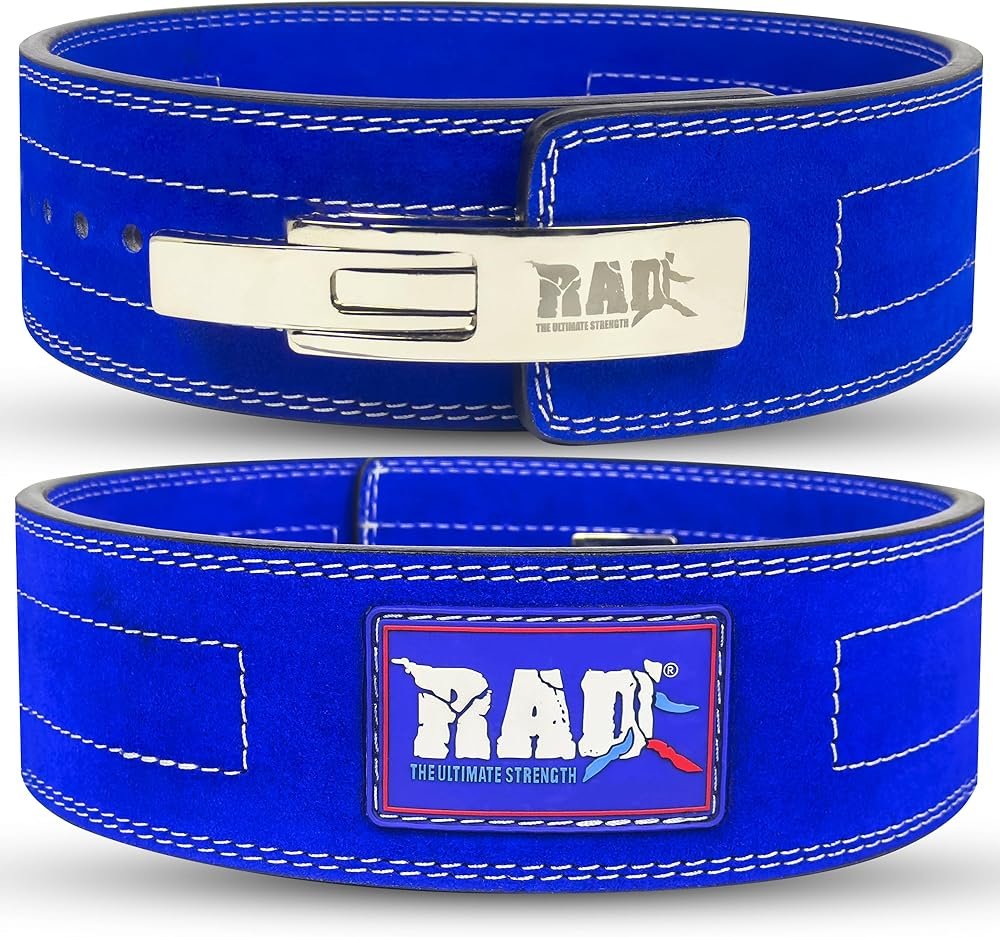
2. RAD Weight Lifting Lever Belt (10mm)

RAD Weight Lifting Lever Belt (10mm)

RAD Weight Lifting Lever Belt (10mm)
9.0/10
β˜…β˜…β˜…β˜…β˜…β˜…β˜…β˜…β˜…β˜†

RAD’s lever belt delivers professional-grade performance at a mid-range price. The 10mm genuine leather is thick enough for serious squats and deadlifts while remaining comfortable for higher-rep work. The lever closure provides consistent, repeatable tightness β€” crucial for maintaining intra-abdominal pressure across sets.

βœ… Pros

  • Premium 10mm leather construction
  • Advanced lever closure system
  • Conforms to body shape over time
  • 4-inch width for optimal support
  • Excellent price-to-quality ratio

❌ Cons

  • Limited color options
  • Lever adjustment requires screwdriver

3. Beast Power Gear 13mm Lever Belt

Beast Power Gear 13mm Lever Belt

Beast Power Gear 13mm Lever Belt
8.9/10
β˜…β˜…β˜…β˜…β˜…β˜…β˜…β˜…Β½β˜†

When you need maximum support for maximum weight, the Beast Power Gear 13mm belt is purpose-built for the task. This is a competition-grade belt designed for powerlifters pushing their limits on squats and deadlifts. The 13mm thickness provides a rigid wall of support for your core.

βœ… Pros

  • 13mm extreme duty construction
  • 4-inch width throughout
  • Heavy-duty steel lever buckle
  • Made for competitive powerlifting
  • Includes free lifting straps

❌ Cons

  • Very stiff initially β€” needs break-in
  • 13mm may be too thick for some lifters

4. DAAN MMA Weightlifting Lever Belt (10mm)

DAAN MMA Weightlifting Lever Belt (10mm)

DAAN MMA Weightlifting Lever Belt (10mm)
8.5/10
β˜…β˜…β˜…β˜…β˜…β˜…β˜…β˜…Β½β˜†

The DAAN MMA belt proves you don’t need to spend $150+ to get a functional lever belt. At its price point, you get genuine 10mm leather, a working lever mechanism, and adequate lower back support for squats and deadlifts. It’s the ideal entry-level lever belt for lifters upgrading from a prong belt.

βœ… Pros

  • Budget-friendly lever belt option
  • 10mm thickness with 4-inch width
  • Lower back support design
  • Good for beginners transitioning to lever belts
  • Clean, minimalist design

❌ Cons

  • Leather quality below premium options
  • Lever mechanism less refined than IBRO

5. Akatsuki 10mm Premium Leather Lever Belt

Akatsuki 10mm Premium Leather Lever Belt

Akatsuki 10mm Premium Leather Lever Belt
8.7/10
β˜…β˜…β˜…β˜…β˜…β˜…β˜…β˜…Β½β˜†

Akatsuki combines function with style in their 10mm lever belt. The roughed interior surface prevents belt slippage during heavy lifts β€” a common issue with cheaper leather belts. The 10mm thickness hits the sweet spot between support and comfort, making it versatile enough for squats, deadlifts, bench press, and overhead work.

βœ… Pros

  • Premium genuine leather construction
  • Non-slip roughed interior
  • 10mm optimal thickness
  • Bold aesthetic design
  • Reliable lever mechanism

❌ Cons

  • Brand less established than competitors
  • Limited sizing range

6. Lever Weightlifting Belt β€” Microfiber Leather (10mm)

Lever Weightlifting Belt β€” Microfiber Leather (10mm)

Lever Weightlifting Belt β€” Microfiber Leather (10mm)
8.4/10
β˜…β˜…β˜…β˜…β˜…β˜…β˜…β˜…Β½β˜†

This budget-friendly lever belt stands out with its extensive color range β€” perfect for lifters who want their gear to match their style. The hybrid construction (microfiber leather + genuine leather) keeps the price down while delivering functional support for intermediate lifters.

βœ… Pros

  • Affordable entry-level option
  • Multiple color choices including pink and purple
  • 10mm microfiber + genuine leather layers
  • Semi-matte lever for easy adjustment
  • Available in sizes XS through XXL

❌ Cons

  • Microfiber layer less durable than full leather
  • May stretch more over time

7. Leather Lever Belt for Powerlifting (10mm)

Leather Lever Belt for Powerlifting (10mm)

Leather Lever Belt for Powerlifting (10mm)
8.6/10
β˜…β˜…β˜…β˜…β˜…β˜…β˜…β˜…Β½β˜†

This lever belt features a precision-engineered steel buckle system that provides a secure, customized fit for lifters of all sizes. The 10mm genuine leather offers the right balance of rigidity and flexibility, while reinforced edge stitching ensures long-term durability even under heavy use.

βœ… Pros

  • High-grade steel buckle and lever mechanism
  • 10mm genuine leather for men and women
  • Customized fit for all body types
  • Durable stitching and reinforced edges
  • Good balance of price and quality

❌ Cons

  • Requires break-in period like most leather belts
  • Lever hole spacing could be finer

πŸ” Buying Guide: How to Choose Your Weightlifting Belt

Belt Thickness: 10mm vs 13mm

10mm belts offer a balance of support and comfort β€” ideal for general training, including squats, deadlifts, bench, and overhead press. 13mm belts are stiffer and provide maximum support but are primarily designed for competitive powerlifting (heavy squats and deadlifts). Most home gym lifters will prefer 10mm.

Lever vs Prong Buckle

Lever buckles offer instant on/off β€” flip the lever to lock, flip again to release. They provide the most consistent tightness set after set. Prong buckles (single or double) offer infinite adjustment but are slower to put on and take off. For home gym use, lever is king.

Leather Type

Genuine leather belts are the gold standard β€” they’re durable, rigid, and mold to your body over time. Suede/nubuck leather offers better grip against your shirt. Synthetic and microfiber options are cheaper and come in more colors but may not last as long or provide the same rigidity.

Belt Width

Most powerlifting belts are 4 inches (10 cm) wide all the way around. This uniform width maximizes core support. Some belts taper in the front β€” these are better for Olympic weightlifting and CrossFit where you need more flexibility in the clean and snatch positions.

Sizing

Measure around your natural waist (at your navel, not your hips) while standing relaxed. Lever belts have fixed hole positions, so getting the right size is critical. Most brands provide a sizing chart β€” follow it carefully. When in doubt, size up; you can always move to a tighter hole position.

Break-In Period

Genuine leather belts require a break-in period of 2-4 weeks. During this time, the leather will soften and conform to your body shape. To speed up the break-in, roll the belt tightly and leave it overnight, or wear it during warm-up sets before using it for heavy work.

❓ Frequently Asked Questions

Do I need a weightlifting belt for home workouts?
If you’re lifting heavy (above 80% of your 1RM) on compound lifts like squats, deadlifts, and overhead press, a belt helps you brace your core more effectively and can increase your lifting capacity by 5-15%. For lighter training and hypertrophy work, a belt is optional but can still improve your proprioception and form.
What’s the difference between a lever belt and a prong belt?
A lever belt uses a flip mechanism for instant tightening and release β€” ideal for powerlifting where you need consistent belt tightness between sets. A prong belt (single or double) uses a traditional buckle and offers infinite adjustment but is slower to put on and remove. Lever belts are generally preferred for home gym use.
How tight should a weightlifting belt be?
You should be able to take a full belly breath against the belt while it’s on. The belt should feel snug but not constrictive β€” you’re bracing your core AGAINST the belt, not relying on the belt to squeeze you. If you can’t breathe into your belly with the belt on, it’s too tight.
Is a 10mm or 13mm belt better?
For most home gym lifters, 10mm is the better choice. It offers excellent support while remaining comfortable for longer training sessions and a wider variety of exercises. 13mm is specifically designed for competitive powerlifters who need maximum rigidity during heavy squats and deadlifts. The extra thickness makes 13mm belts stiffer and less comfortable for general training.
How long does a leather weightlifting belt last?
A quality genuine leather lever belt can last 10-20+ years with proper care. Keep it dry, avoid leaving it in your gym bag (sweat degrades leather), and occasionally condition it with leather conditioner. Many lifters use the same belt for their entire lifting career.
Can I use a weightlifting belt for deadlifts?
Absolutely. A weightlifting belt is particularly beneficial for deadlifts because it helps you maintain a neutral spine under heavy loads. Position the belt slightly lower on your torso for conventional deadlifts (closer to your hip bones) compared to where you’d wear it for squats. This allows proper hip hinge mechanics while still getting core bracing benefits.
πŸ‹οΈ

Iron Trail Reviews Team

We test and review home gym equipment from our garage gyms across Canada. Every product recommendation is based on hands-on testing, real-world durability checks, and honest assessments. We buy our own gear β€” no manufacturer freebies influence our ratings.