Disclosure: As an Amazon Associate, Iron Trail Reviews may earn from qualifying purchases through links on this page.
Quick Verdict
This quick verdict helps Canadian home-gym builders and strength trainees compare resistance band wall anchors home gyms by space needs, build quality, compatibility, training use, and value.
Who Should Buy
Choose this category if the product matches your current training environment, sizing needs, storage limits, and budget after checking current retailer details.
Who Should Skip
Skip or keep comparing if the listing does not show enough sizing/spec detail, if returns are unclear, or if the product solves a different use case than the one in this guide.
Key Criteria
- Space Needs
- Build Quality
- Compatibility
- Training Use
- Value
Source check: Recommendations should be read with current retail listings, available manufacturer/spec information, buyer-facing claims, and the site’s methodology page.
Last updated: August 11, 2026
Storage verdict
Best Resistance Band Wall Anchors for Home Gyms
Favor the rack that gives rollers or accessories a clear home without stealing training space. Wall contact, loaded depth, and daily reach matter more than a tidy product photo.
- mounting path
- loaded depth
- grab-and-go access
Source-backed shortlist

Daily-access pick
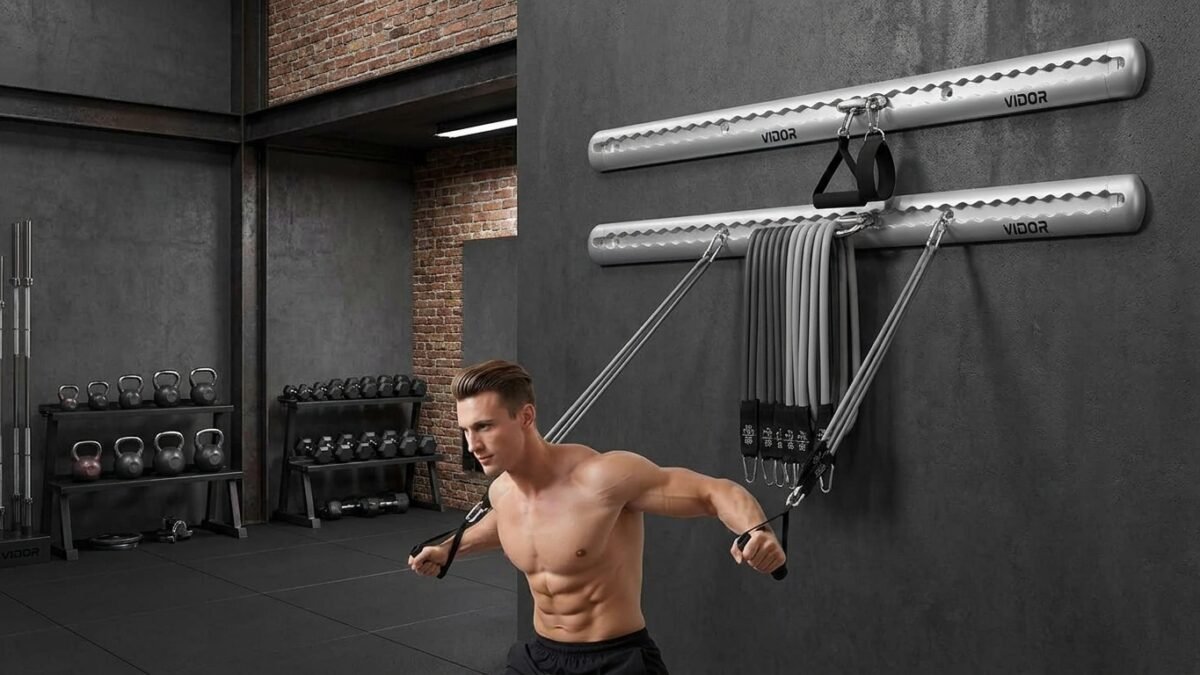
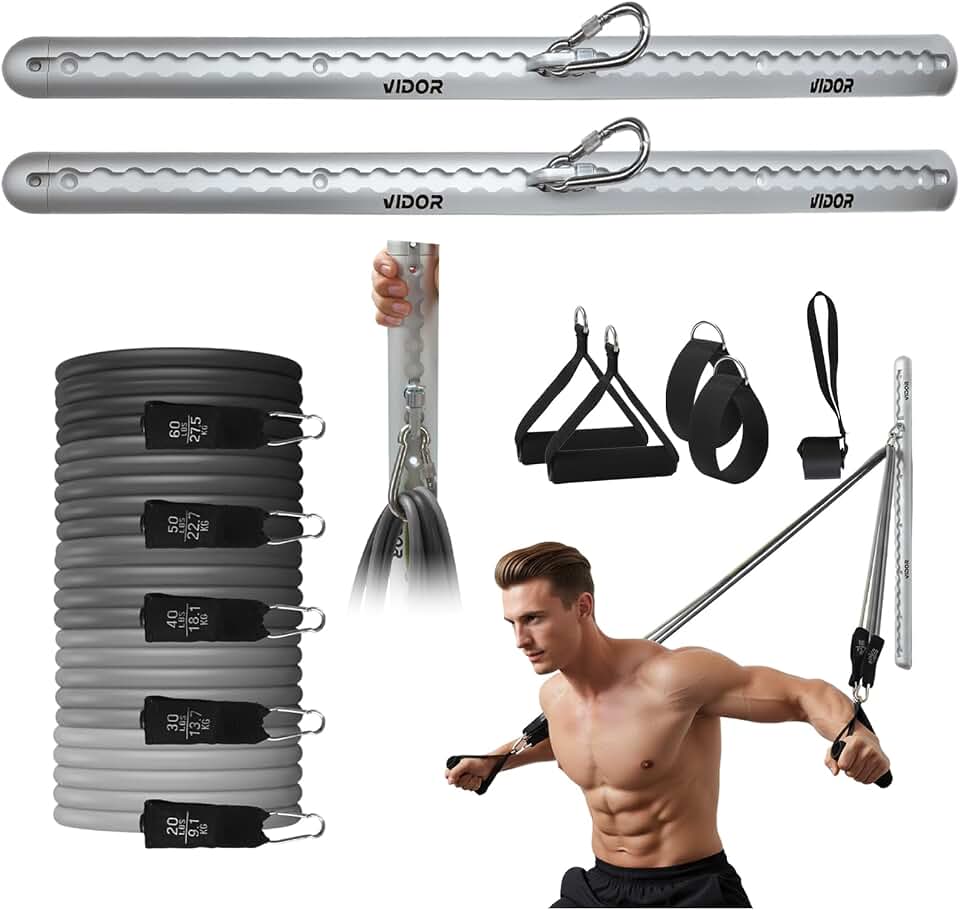
Resistance Band Wall Mount System – Heavy Duty Wall Anchor for Resistance Bands, Workout…
It is the first product to compare because its detail page exposes enough source facts to anchor the storage utility verdict instead of relying on a search result.
- Title: Resistance Band Wall Mount System – Heavy Duty Wall Anchor for Resistance Bands, Workout Wall Anchor with Aluminium Bracket for Home Gym Cable Machine & Fitness (2 Rails and Green Resistance Band)
- Brand: Veast
- Price seen on August 10, 2026: $59.99
Capacity compare
Anchor Gym Mini H1 (Set of 3) – Resistance Band Wall Anchors for Home Workouts | Wall Mount…
It belongs as a comparison pick when the shape, mounting path, or access pattern solves a different storage constraint than the lead option.
- Title: Anchor Gym Mini H1 (Set of 3) – Resistance Band Wall Anchors for Home Workouts | Wall Mount Anchor for Resistance Bands, Stretch Straps & Suspension Trainers
- Brand: Anchor Gym
- Price seen on August 10, 2026: $42.00

Capacity compare
TRX All-In-One Home Gym System – Complete Suspension Training Kit for Strength Training…
It belongs as a comparison pick when the shape, mounting path, or access pattern solves a different storage constraint than the lead option.
- Title: TRX All-In-One Home Gym System – Complete Suspension Training Kit for Strength Training, HIIT & Full-Body Workouts at Home or Outdoors, Includes Indoor & Outdoor Anchors
- Brand: TRX
- Price seen on August 10, 2026: $16.99
Methodology
We rebuilt this guide from the article’s live Amazon.com ASINs, visible product-detail facts, product photos, ratings when exposed, and the setup problem implied by the search intent. Search-only links do not decide the verdict; product-detail evidence gets priority.
Prices and availability move, so any price or rating signal is treated as a timestamped cue, not a permanent claim. The recommendation favors the product that solves the room or training problem with the least compatibility guessing.
Product Evidence And Feedback Signals
| # | Product | Source facts used | Feedback signal |
|---|---|---|---|
| 1 | Resistance Band Wall Mount System – Heavy Duty Wall Anchor for… | Brand: Veast; Material: Aluminum; Color: grey | 4.5/5 rating |
| 2 | Anchor Gym Mini H1 (Set of 3) – Resistance Band Wall Anchors for… | Brand Name: Anchor Gym; Model Number: WMMA-Parent-UK; Manufacturer: Anchor Gym | 4.8/5 rating, 608 ratings |
| 3 | TRX All-In-One Home Gym System – Complete Suspension Training Kit… | _4.7 out of 5 stars_ 11,373: _4.6 out of 5 stars_ 488; Price: $144.95$144.95; $112.95$112.95: — | 4.8/5 rating, 7,302 ratings |
Public feedback is used as a risk filter: repeated praise supports convenience claims, while repeated complaints around sizing, noise, durability, returns, or assembly lower confidence even when the product page looks strong.
How To Choose
Start with the failure point that would make you return the product: footprint, fit, load path, noise, storage, compatibility, or routine friction. Then compare the live product page against that one constraint before chasing discounts.
For Best Resistance Band Wall Anchors for Home Gyms, the safer pick is the one with a clear product-detail page, verified category fit, enough public feedback to expose problems, and a return path if the setup does not match your room.
Related Guides
FAQ
What matters most when choosing Best Resistance Band Wall Anchors for Home Gyms?
Favor the rack that gives rollers or accessories a clear home without stealing training space. Wall contact, loaded depth, and daily reach matter more than a tidy product photo.
Why do product links and feedback need refreshes?
Amazon listings can change title, price, seller, stock, rating count, and availability. That is why this page treats product-detail facts and public feedback as refreshable evidence.