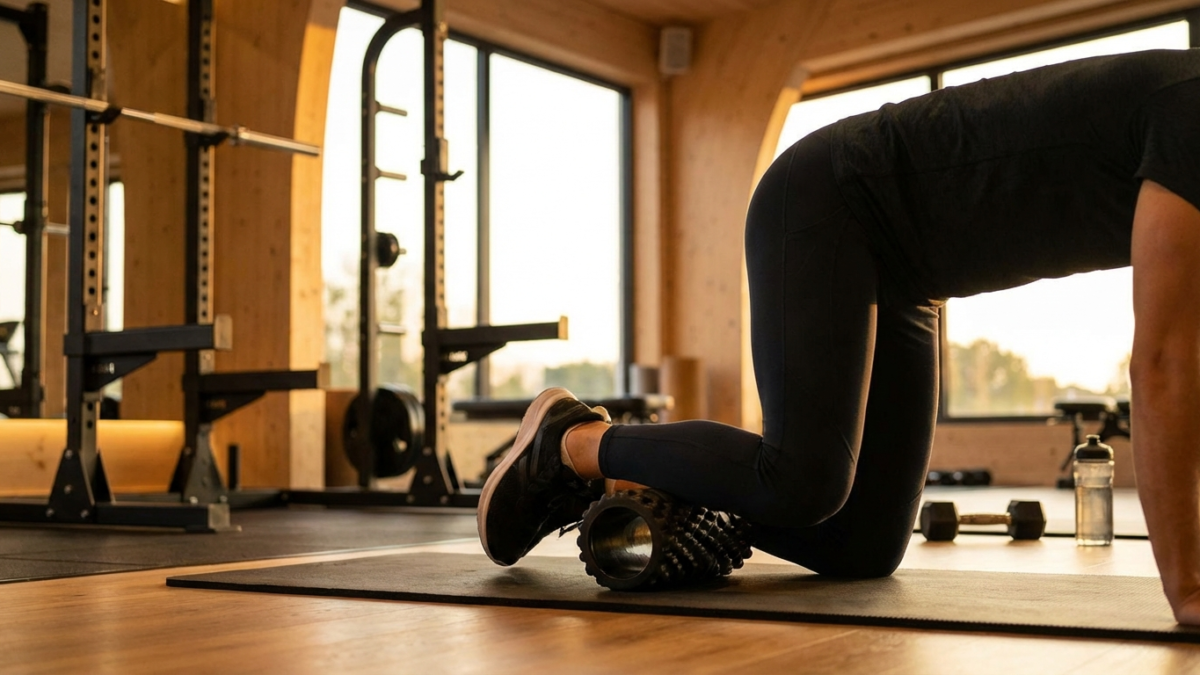
If you’re serious about recovery, a foam roller isn’t optional — it’s essential. Whether you’ve just crushed a heavy deadlift session, logged 10K on the treadmill, or spent the day hunched over a desk, self-myofascial release (SMR) with a foam roller can reduce muscle soreness, improve mobility, and speed up recovery time.
But not all foam rollers are created equal. The wrong density can bruise you. The wrong size won’t target the muscles that need work. And a cheap roller that flattens after two weeks? That’s money wasted in a Canadian winter when staying active matters most.
We tested and researched dozens of foam rollers available on Amazon.ca to find the 7 best foam rollers for recovery in Canada for 2026. From smooth high-density rollers for beginners to textured grid rollers for deep tissue work and vibrating rollers for athletes who want next-level recovery, this guide covers them all.
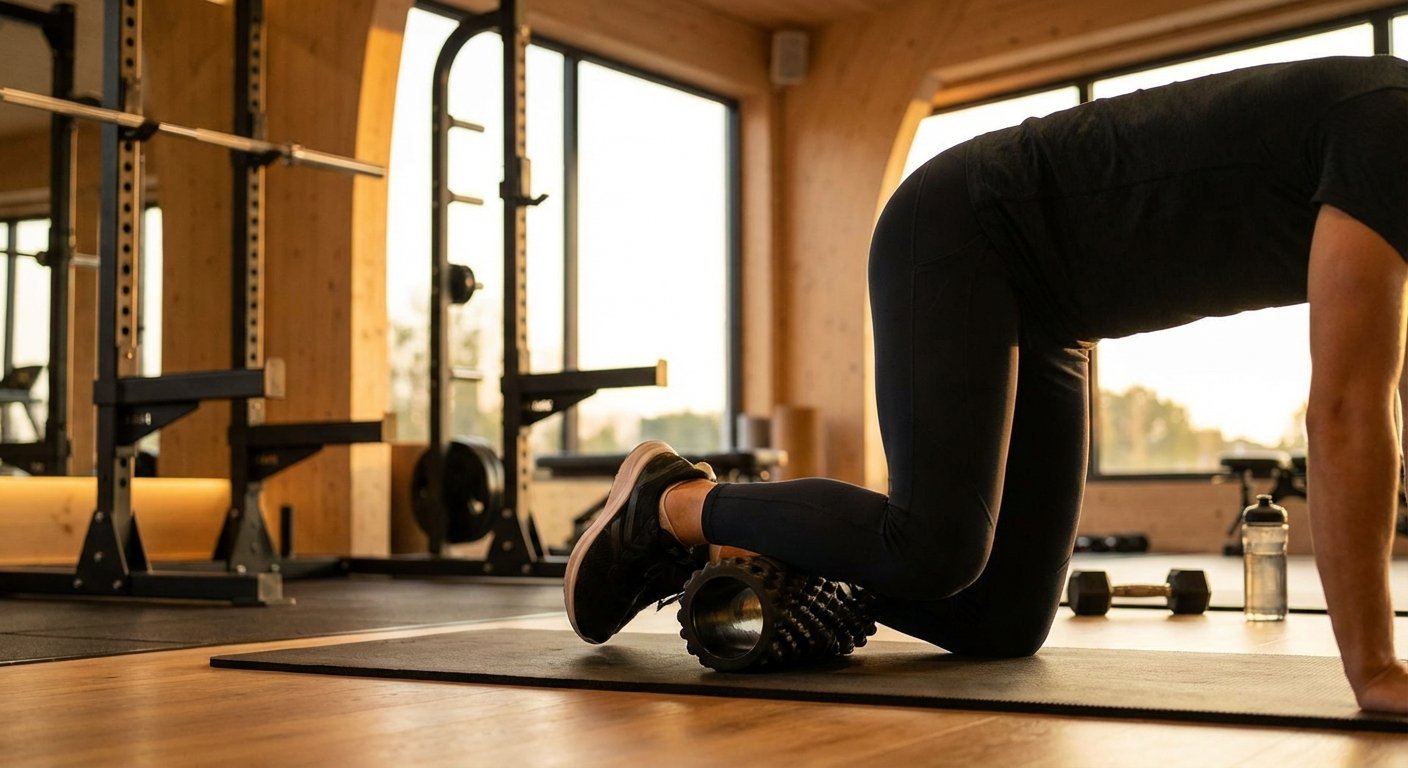
⚡ Quick Picks: Best Foam Rollers at a Glance
1. TriggerPoint GRID Foam Roller (13-Inch) — Best Overall
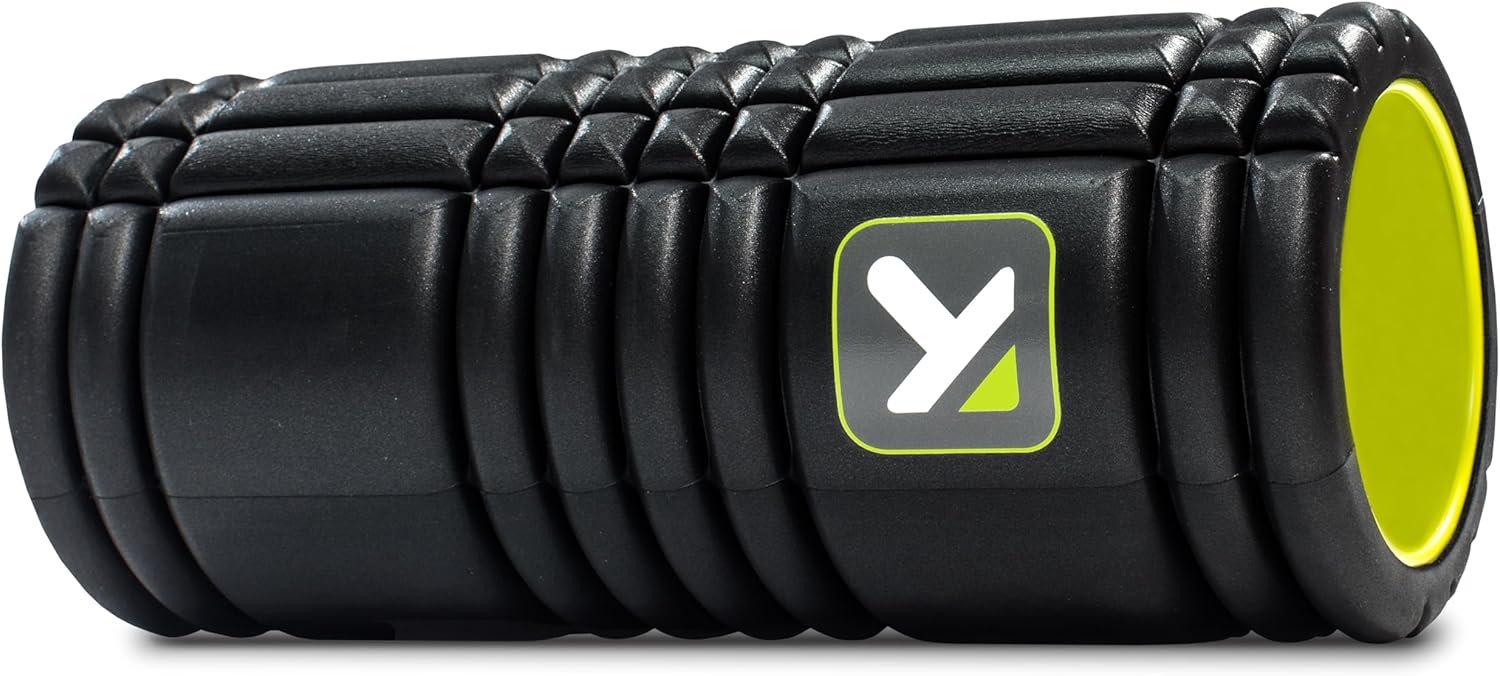
The TriggerPoint GRID is the gold standard of foam rollers — and for good reason. Its patented multi-density GRID surface features three distinct zones that replicate the feel of a massage therapist’s fingers, palm, and fingertips. The hollow EVA core retains its shape even after thousands of rolls, and the 13-inch length hits the sweet spot between portability and coverage.
This roller is trusted by physiotherapists, CrossFit athletes, and gym regulars across Canada. It provides firm enough compression for deep tissue work without being punishing on sensitive areas. If you only buy one foam roller, this is it.
✅ Pros
- Patented multi-density texture for targeted massage
- Hollow core won’t lose shape over time
- Compact 13″ size fits in any gym bag
- Supports up to 500 lbs
- Includes free online instructional video
❌ Cons
- 13″ is too short for full back rolling
- Premium price vs basic rollers
- Texture may be intense for complete beginners
📋 Specs
- Dimensions: 13″ × 5.5″ diameter
- Material: EVA foam over hollow ABS core
- Density: Medium-Firm
- Weight Capacity: 500 lbs
- Weight: 1.5 lbs
Verdict: The TriggerPoint GRID is the best all-around foam roller for recovery. Its combination of durability, portability, and effective multi-zone texture makes it the top choice for most Canadians.
2. Yes4All EPP Foam Roller — Best Budget Pick
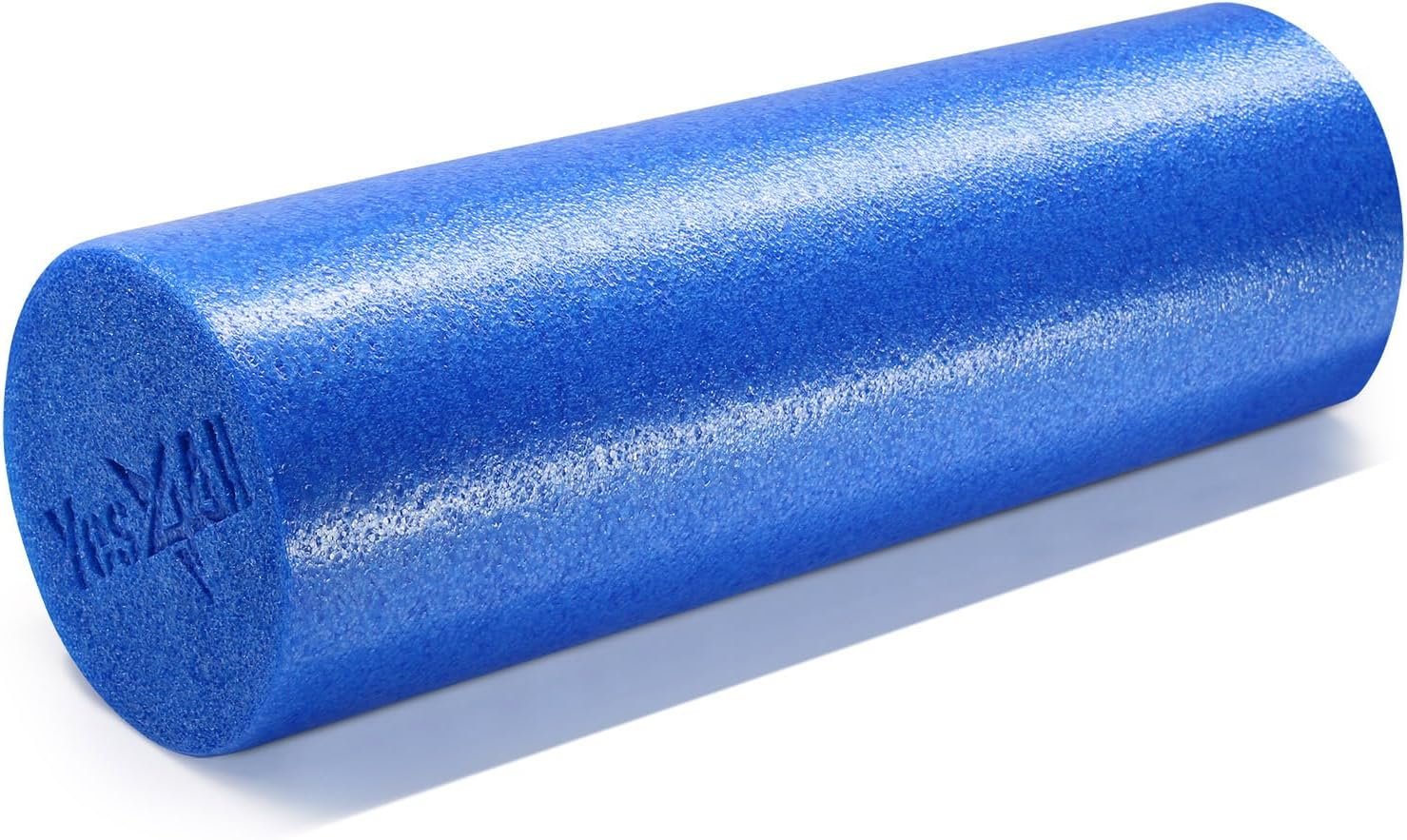
If you want a reliable high-density foam roller without the premium price tag, the Yes4All EPP Foam Roller delivers. Made from expanded polypropylene, it’s firmer and more durable than cheaper EVA alternatives. The smooth surface provides consistent pressure across large muscle groups — perfect for quads, hamstrings, and IT bands.
Available in 12″, 18″, 24″, and 36″ lengths, it adapts to your space and needs. The 36″ version is ideal for full back rolling. At its price point, there’s nothing in Canada that comes close to this value.
✅ Pros
- Excellent price-to-quality ratio
- High-density EPP won’t deform quickly
- 4 size options (12″, 18″, 24″, 36″)
- Smooth surface great for beginners
- Lightweight and easy to store
❌ Cons
- No texture for targeted trigger point work
- Solid core (heavier in larger sizes)
- May be too firm for very sensitive users
📋 Specs
- Dimensions: 12–36″ × 6″ diameter
- Material: EPP (Expanded Polypropylene)
- Density: High (Extra Firm)
- Weight: 0.5–1.5 lbs (size-dependent)
Verdict: The Yes4All EPP is the best foam roller under $25 in Canada. Simple, durable, effective. If you’re starting out or want a no-frills recovery tool, this is your pick.
3. LuxFit Speckled Foam Roller (36-Inch) — Best for Beginners
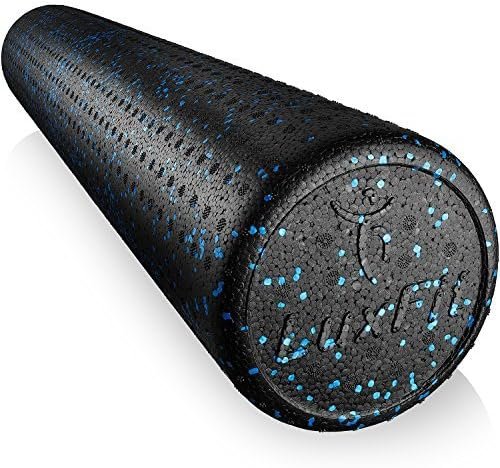
The LuxFit Speckled Foam Roller is a full-length 36″ roller made from molded polypropylene foam. The speckled construction (multi-colored compressed pellets) gives it a slightly textured feel that’s gentler than aggressive grid patterns but firmer than basic PE foam.
Its 36-inch length makes it perfect for beginners who want to roll their entire back in one pass. The smooth surface provides broad, even pressure — ideal for learning foam rolling techniques without the intimidation of deep trigger point ridges. It comes with access to an online instructional video to get you started.
✅ Pros
- 36″ length covers full back and spine
- Medium density perfect for beginners
- Speckled construction resists deformation
- Comes with instructional video
- 3-year warranty
❌ Cons
- Too large for travel
- No textured zones for deep tissue
- May feel too soft for experienced athletes
📋 Specs
- Dimensions: 36″ × 6″ diameter
- Material: Molded Polypropylene (PP)
- Density: Medium-High
- Weight: 2.0 lbs
- Warranty: 3 years
Verdict: The LuxFit Speckled is the ideal starter roller. Full-length, forgiving density, and backed by a solid warranty — it’s how every Canadian should begin their foam rolling journey.
4. Hyperice Vyper 3 — Best Vibrating Foam Roller
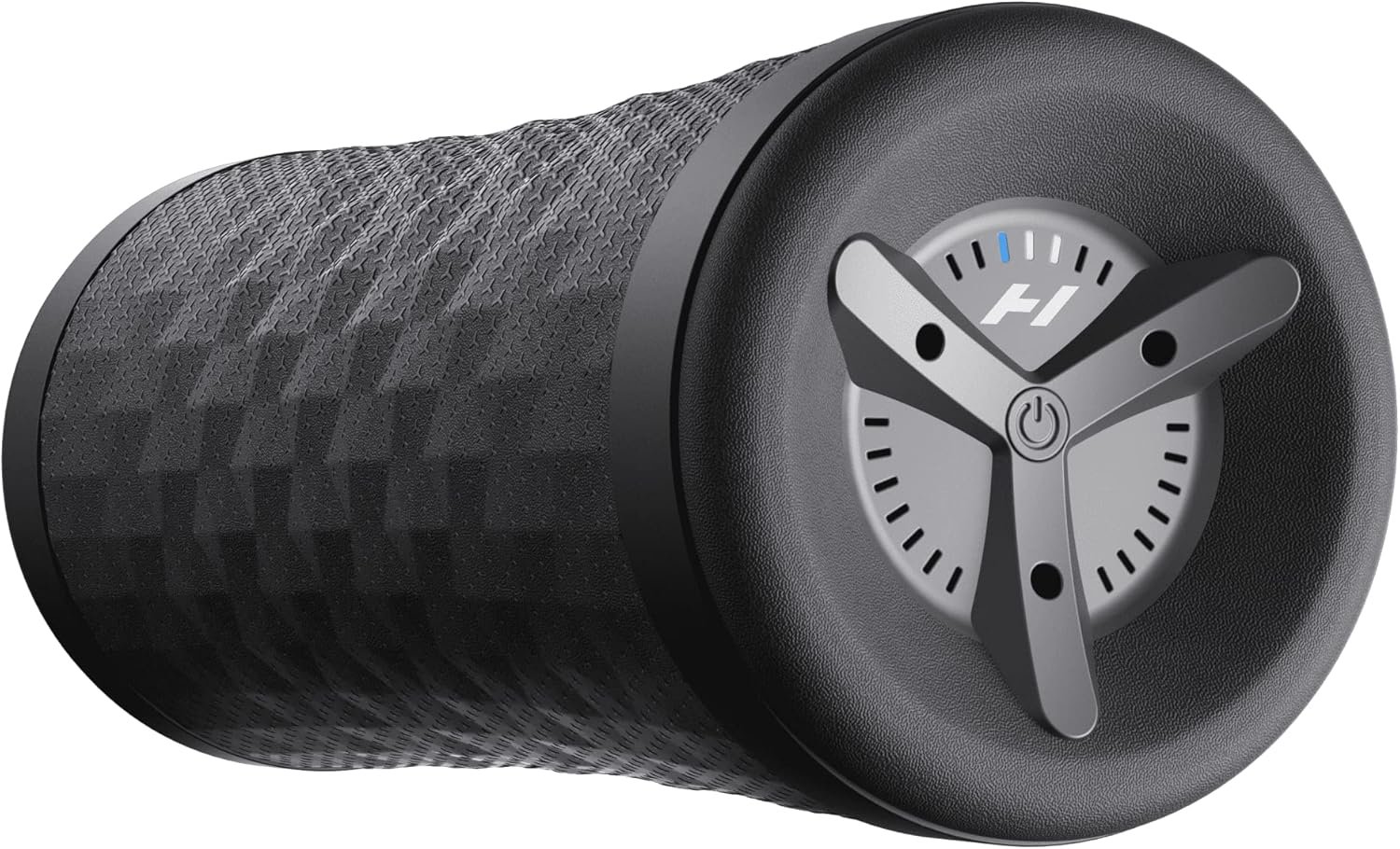
The Hyperice Vyper 3 is the premium choice for athletes who demand more from their recovery tools. Combining high-intensity vibration with a firm foam surface, it penetrates deeper into muscle tissue than any static roller can. Three vibration speeds let you customize intensity — from gentle warm-up to aggressive deep tissue release.
Used by professional athletes in the NHL, NBA, and CrossFit Games, the Vyper 3 delivers results that justify its premium price. The rechargeable lithium-ion battery lasts 2+ hours, and the integrated pressure sensor helps you apply consistent force. It’s the closest you’ll get to a sports massage without leaving your home.
✅ Pros
- 3 vibration speeds for customized recovery
- 2+ hour rechargeable battery life
- Used by professional athletes worldwide
- Firm density with vibration amplifies relief
- TSA-approved for travel
❌ Cons
- Premium price point (~$200+ CAD)
- 12″ length limits back coverage
- Heavier than non-vibrating options
- Requires charging
📋 Specs
- Dimensions: 12″ × 6″ diameter
- Material: Firm foam over vibrating core
- Vibration Speeds: 3 levels
- Battery: Rechargeable Li-ion, 2+ hours
- Weight: 3.4 lbs
Verdict: The Hyperice Vyper 3 is the best vibrating foam roller available in Canada. If you train hard and recovery is a priority, the vibration technology genuinely accelerates the process. Worth the investment for serious athletes.
5. TriggerPoint GRID Travel (10-Inch) — Best for Travel
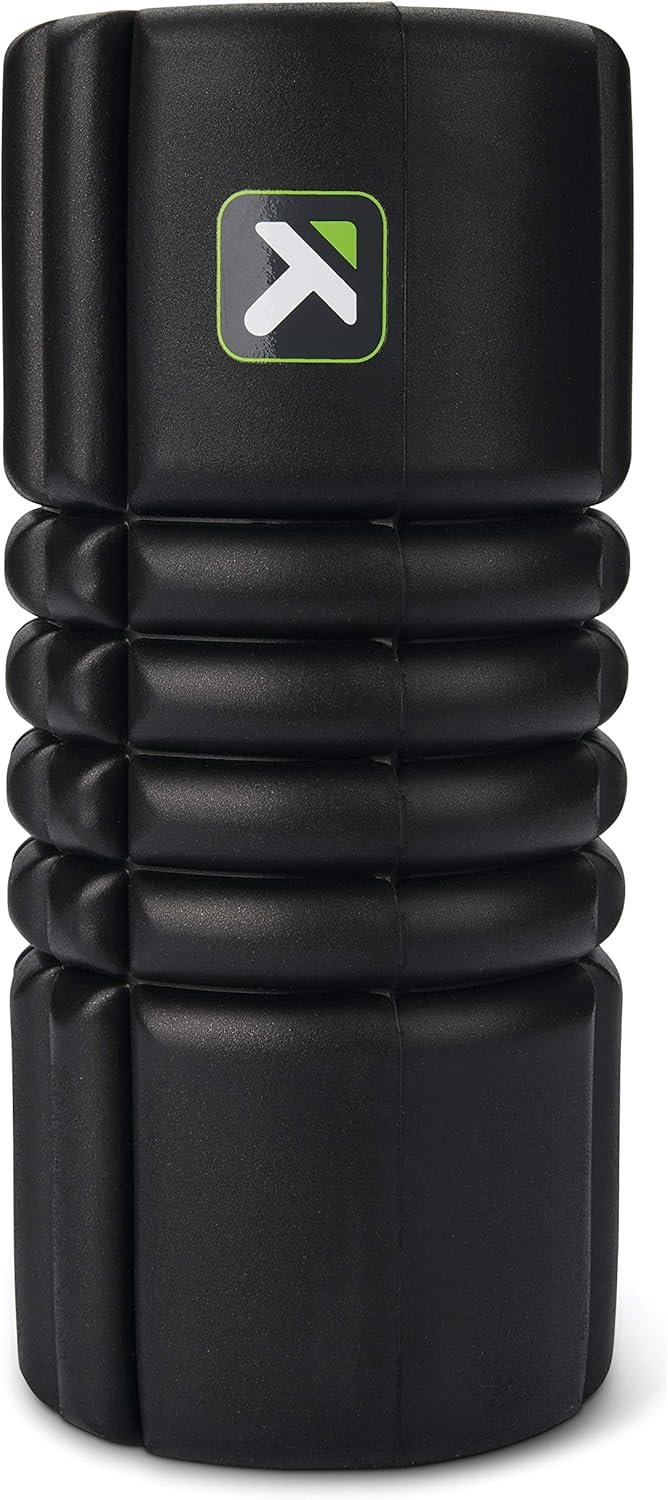
The TriggerPoint GRID Travel shrinks the legendary GRID formula into a compact 10-inch package that fits in any carry-on, gym bag, or hockey bag. It uses the same patented multi-density surface as the original, just in a more portable size.
Perfect for Canadians who travel for work, compete in out-of-town events, or simply want a roller that won’t take up half their closet. The hollow core keeps it lightweight while maintaining structural integrity — it won’t crush in a packed suitcase.
✅ Pros
- Ultra-compact 10″ fits anywhere
- Same GRID texture as the original
- Hollow core maintains shape
- Lightweight (under 1 lb)
- Great for targeted areas (calves, glutes, shoulders)
❌ Cons
- Too short for back or full leg rolling
- Limited surface area
- Same price as larger rollers
📋 Specs
- Dimensions: 10″ × 5.5″ diameter
- Material: EVA foam over hollow ABS core
- Density: Medium-Firm
- Weight: 0.9 lbs
Verdict: The GRID Travel is the best foam roller for Canadians on the move. Toss it in your bag and recover anywhere — hotel room, locker room, or airport lounge.
6. Gaiam Restore Textured Foam Roller (18-Inch) — Best Textured Roller
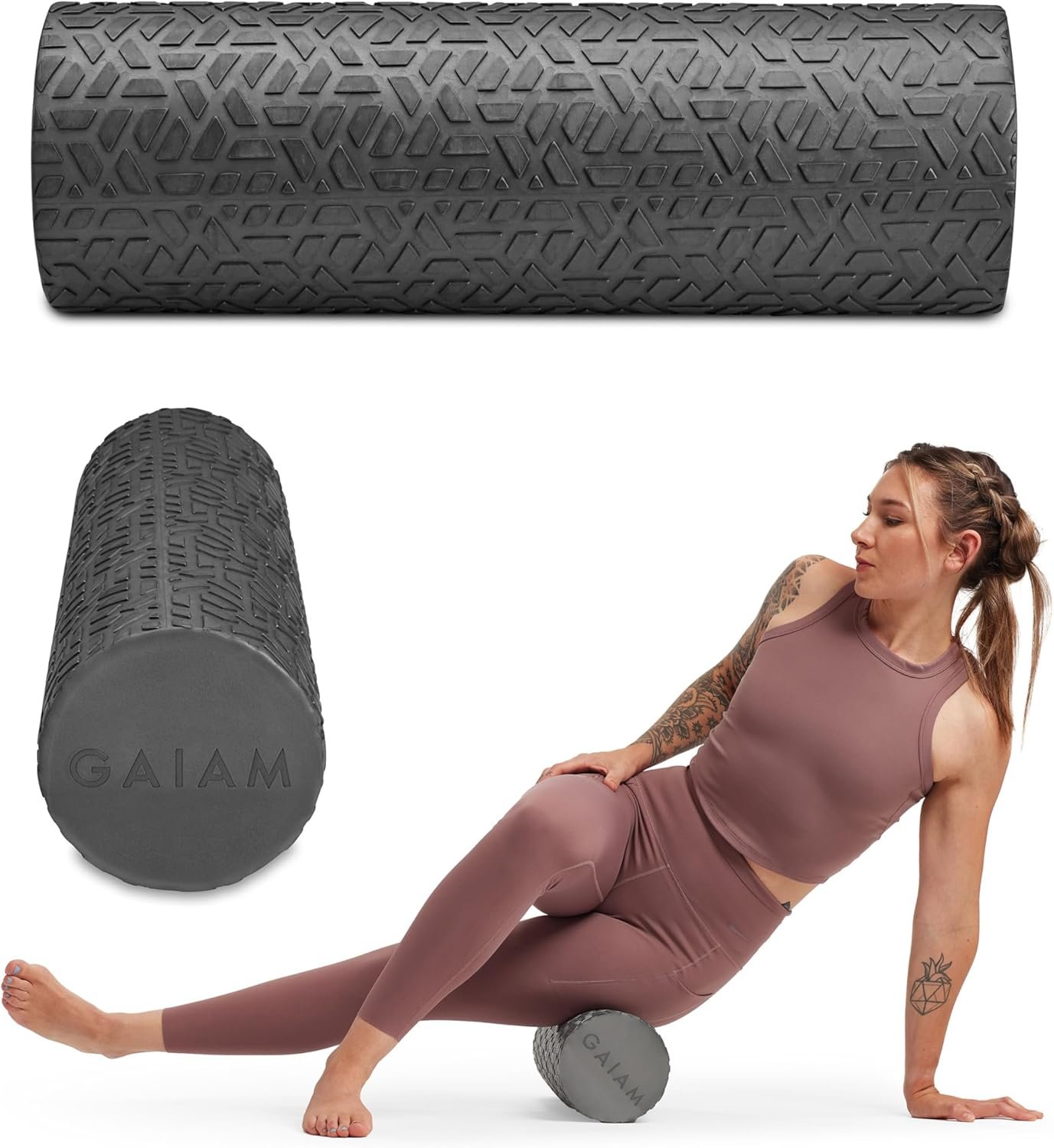
The Gaiam Restore Textured Foam Roller brings aggressive trigger point massage at a mid-range price. Its raised tread pattern digs into knots and adhesions that smooth rollers simply glide over. The medium-density EVA construction provides firm compression without being brutal — a sweet spot for regular gym-goers who want deeper release than a smooth roller provides.
At 18 inches, it’s a versatile length: long enough for most muscle groups, short enough to store easily. The textured surface also provides extra stability during rolling, so you won’t slip off during IT band or calf work.
✅ Pros
- Textured tread targets trigger points effectively
- Medium density — firm but not painful
- 18″ length hits a sweet spot for versatility
- Good grip and stability during use
- Affordable mid-range price
❌ Cons
- Texture may feel aggressive for first-time users
- EVA foam may compress over time with heavy use
- Not as durable as hollow-core designs
📋 Specs
- Dimensions: 18″ × 6″ diameter
- Material: EVA Foam
- Density: Medium
- Weight: 1.1 lbs
Verdict: The Gaiam Restore is the best textured foam roller for Canadians who want deeper massage without the TriggerPoint premium. Great value and effective trigger point relief.
7. LuxFit High Density Extra Firm Roller (36-Inch) — Best Extra Firm
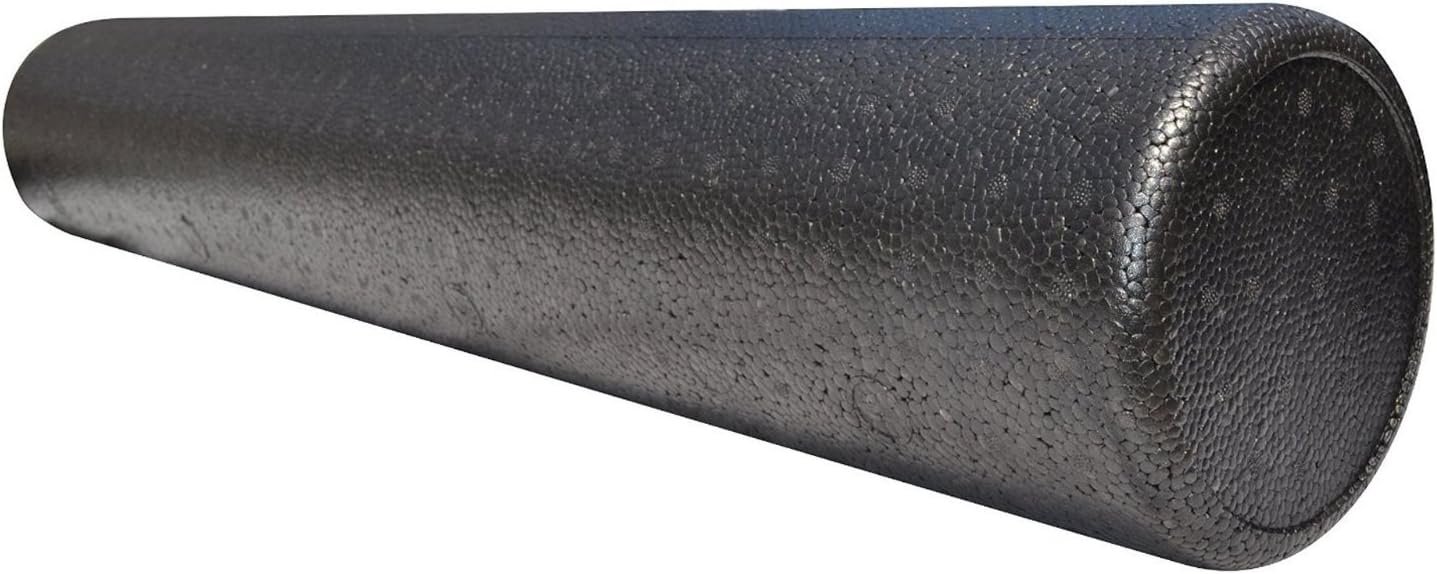
For experienced athletes who need maximum pressure, the LuxFit High Density Extra Firm delivers the deepest compression of any roller on this list. The solid black PE foam construction is rock-solid — it won’t compress under heavy bodyweight, making it ideal for large athletes, powerlifters, and anyone who’s graduated past medium-density rollers.
The 36-inch length covers your entire back in one pass, and the smooth surface provides consistent, unrelenting pressure across every muscle group. This is the roller you move to when everything else feels too soft.
✅ Pros
- Extra firm density for deep tissue work
- 36″ full-length coverage
- Solid construction — extremely durable
- Won’t compress under heavy users
- Affordable for a 36″ roller
❌ Cons
- Too firm for beginners — can be painful
- No texture or grid pattern
- Heavy for travel at 36″ length
📋 Specs
- Dimensions: 36″ × 6″ diameter
- Material: High-Density PE Foam (solid)
- Density: Extra Firm
- Weight: 2.2 lbs
Verdict: The LuxFit Extra Firm is for athletes who want no-nonsense, maximum-pressure rolling. If you’re past the beginner stage and need a roller that fights back, this is it.
🧭 Foam Roller Buying Guide: How to Choose the Right One
With dozens of foam rollers on Amazon.ca, picking the right one comes down to five key factors:
1. Density (Firmness)
Density determines how deep the roller works into your muscles:
- Soft/Low Density: Best for beginners, sensitive areas, and gentle recovery. Feels like a firm pillow.
- Medium Density: The sweet spot for most users. Firm enough for effective SMR without excessive discomfort.
- High/Extra Firm: For experienced athletes who need maximum pressure. Can be painful for beginners but delivers the deepest release.
2. Size & Length
Longer isn’t always better — it depends on how you’ll use it:
- 10–13 inches: Travel-friendly, targeted muscle work (calves, arms, shoulders)
- 18 inches: Versatile middle ground — works for most muscle groups, easy to store
- 24–36 inches: Full-body rolling, especially the back and spine. Best for home gym use.
3. Surface Texture
- Smooth: Even pressure distribution, beginner-friendly, great for general rolling.
- Textured/Grid: Ridges and bumps that dig into knots and trigger points. Better for deep tissue work.
- Vibrating: Electric motors add vibration to enhance muscle relaxation and blood flow. Premium option for serious athletes.
4. Material
- PE (Polyethylene): Soft to medium density. Affordable but compresses over time.
- EPP (Expanded Polypropylene): Medium to firm. More durable than PE, bounces back after compression.
- EVA (Ethylene-Vinyl Acetate): Dense and resilient. Used in premium rollers like TriggerPoint.
- Molded PP (Polypropylene): Firmest option. Won’t deform. Used in extra-firm rollers.
5. Smooth vs. Textured vs. Vibrating — Which Is Right for You?
❓ Frequently Asked Questions
How often should I foam roll?
For general recovery, foam rolling 3–5 times per week for 10–15 minutes is ideal. You can foam roll daily if you keep the sessions shorter (5–10 minutes). Focus on the muscles you trained that day, spending 30–60 seconds per muscle group.
Should I foam roll before or after a workout?
Both! Before a workout, light foam rolling (30–60 seconds per area) increases blood flow and range of motion. After a workout, longer rolling sessions (60–90 seconds per area) help reduce DOMS (delayed onset muscle soreness) and speed recovery.
Is it normal for foam rolling to hurt?
Some discomfort is normal, especially on tight or knotted areas. It should feel like a “good hurt” — similar to deep tissue massage pressure. If you experience sharp pain, stop immediately. Start with a softer roller and progress to firmer options as your muscles adapt.
Can foam rolling help with back pain?
Yes. Foam rolling the thoracic spine (upper back), hip flexors, and glutes can relieve tension that contributes to lower back pain. Avoid rolling directly on the lower back — instead, target the surrounding muscle groups. A 36-inch roller works best for back rolling.
What’s the difference between foam rolling and using a massage gun?
Foam rollers use body weight to apply broad pressure across large muscle groups (myofascial release). Massage guns deliver targeted, percussive hits to specific spots. Both work — foam rollers are better for general recovery and flexibility, while massage guns excel at pinpointing knots. Many athletes use both.
How long does a foam roller last?
Quality foam rollers last 1–3 years with regular use. EPP and hollow-core designs (like TriggerPoint) last the longest. Solid PE foam rollers may compress and lose firmness after 6–12 months of heavy use. Vibrating rollers depend on battery health — expect 2–3 years.
Are foam rollers worth it for beginners?
Absolutely. Foam rolling is one of the most cost-effective recovery tools available. For under $25 CAD, you get a tool that reduces muscle soreness, improves flexibility, and can prevent injuries. Start with a medium-density smooth roller and work your way up.
📚 Related Guides
Building a complete home gym or recovery setup? Check out our other in-depth Canadian buyer’s guides:
- Best Resistance Bands for Home Workouts in Canada (2026)
- Best Adjustable Dumbbells for Home Gym (Canada 2026)
- Best Kettlebells for Home Gym in Canada (2026)
- Best Home Gym Equipment in Canada (2026)
- Best Weight Bench for Home Gym in Canada (2026)
- Best Rowing Machines Under $1,000 in Canada (2026)
About IronTrail Reviews
We’re Canadian fitness enthusiasts who test and review home gym equipment so you don’t have to guess. Every product on this page has been researched against real-world use cases, user reviews, and expert recommendations. Our goal: help you build the best home gym possible without wasting money on gear that doesn’t deliver.